Solar Panel Users Face Shocking Policy Shift: Bill Hikes of up to Rs. 8,000 Expected
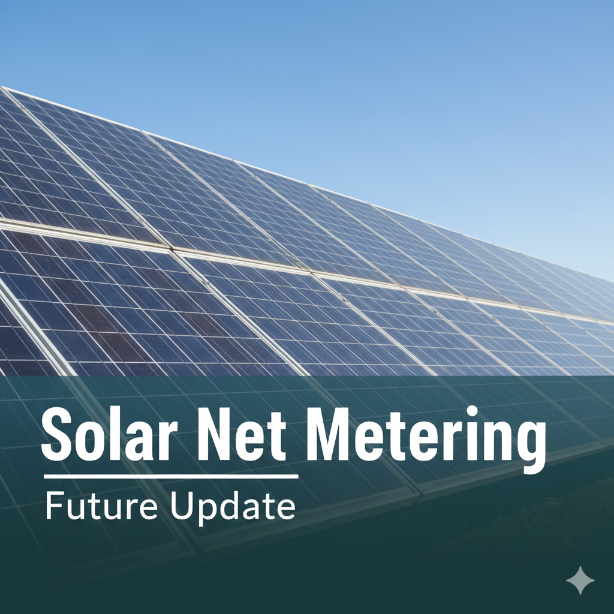
The Federal Government of Pakistan has decided to overhaul the current net metering system in an effort to regulate the rapid rise of solar energy adoption and address the mounting financial challenges faced by power distribution companies (DISCOs).
The Shift from “Net Metering” to “Net Billing”
Under the proposed plan, the existing net metering system will be replaced by a Net Billing Policy. This change is expected to significantly increase monthly electricity bills for residential and commercial solar users.
Current System: Users “swap” units. If you export 300 units to the grid and consume 300 units, they cancel each other out, often resulting in a near-zero bill.
New Proposed System: The “swap” is eliminated. Users will be charged the full national tariff for every unit they draw from the grid, while receiving a much lower credit for the units they export.
The Financial Impact
The price gap between buying and selling electricity is the main cause for concern.
Category Estimated Rate (Per Unit)
Buying from Grid Rs. 50 – Rs. 60
Selling to Grid Rs. 10 – Rs. 15 (approx. Rs. 11)
Example: A consumer who generates and uses 300 units currently pays almost Rs. 0. Under the new policy, due to the price disparity, that same consumer could see a monthly bill ranging from Rs. 8,000 to Rs. 10,000.Why is the Government Doing This?
Government officials and DISCOs argue that the surge in solar adoption has left fewer people paying for the upkeep of the national grid. They claim the new policy is “unavoidable” to:
Cover grid maintenance and infrastructure costs.
Reduce the financial burden on the national treasury.
Maintain “financial balance” within the power sector.